Answered by Esther Estrada, Esq.
California Licensed Attorney | 5-Time Southern California Super Lawyers Rising Start (Top 2.5%)
Short-term rentals have completely changed the way we travel. Instead of hotels, millions of people now stay in Airbnbs, VRBOs, and other home-sharing properties across California. Whether it is a weekend in Los Angeles, a family trip to the desert, or a quick stay near the beach, these rentals offer convenience, privacy, and flexibility.
But with that convenience comes a rise in injuries.
Poor lighting, broken stairs, loose handrails, faulty locks, unsafe pools, aggressive pets, mold exposure, and hidden hazards have become more common as the popularity of short-term rentals grows. When guests get hurt, figuring out who is responsible can be confusing.
Is the host liable?
Is Airbnb or VRBO liable?
Does their insurance cover you?
Do you have to use your own health insurance?
Can you file a claim even if the rental agreement includes a disclaimer?
This guide breaks down everything you need to know about short-term rental injuries in California and your rights as an injured guest.
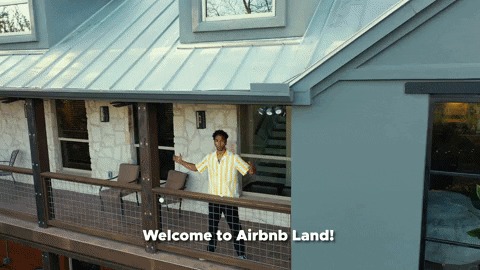
Why short-term rental injuries are increasing
Short-term rentals are not regulated the way hotels are. Hotels must follow strict building codes, safety inspections, and maintenance standards. Airbnb hosts often do not.
Some of the most common issues include:
Properties that are not professionally maintained
Many hosts clean between guests but skip routine safety checks. Problems can go unnoticed for months.
DIY renovations and unsafe structures
Hosts may build decks, patios, or lofts without permits or professional supervision.
Limited lighting and unclear walkways
Poor lighting in hallways, exterior staircases, or driveways increases the chance of falls.
Damaged or old furniture
Broken chairs, collapsing beds, and unstable bunk beds are common sources of injury.
Pets or animals on the property
Some rentals include animals that were never mentioned in the listing, which puts guests at risk of bites or scratches.
Unsecured pools or hot tubs
Drownings, burns, falls, and chemical exposure happen more often in private rentals with fewer safety requirements.
Hidden hazards
Loose tiles, uneven flooring, sharp edges, and exposed wiring are common in older rental homes.
Short-term rentals often look polished in photos, but guests sometimes discover hazards only after checking in.
California law: hosts must keep their property safe
In California, property owners have a legal duty to maintain safe conditions for anyone staying on their property. This includes Airbnb and VRBO guests.
Hosts are responsible for:
- Fixing hazards they knew or should have known about
- Inspecting the property regularly
- Cleaning up spills or dangerous conditions
- Repairing broken steps, railings, locks, doors, or lighting
- Warning guests about risks that cannot be fixed immediately
- Following safety codes for pools, structures, and renovations
If a host fails to do this and you are injured, they may be held liable under California premises liability laws.
Is Airbnb or VRBO ever responsible if you get hurt?
Yes, but it depends on the situation.
Airbnb’s Host Protection Insurance
Airbnb offers up to one million dollars in liability coverage to protect guests when:
- The host was negligent
- A dangerous condition caused an injury
- A third party on the property caused harm
However, this insurance has gaps. It does not automatically cover:
- Intentional acts
- Certain property defects
- Unlisted hazards
- Lack of maintenance
- Some pool or animal-related injuries
Airbnb decides whether to accept or deny claims, which may delay or reduce compensation.
VRBO’s insurance requirements
VRBO requires hosts to obtain their own liability insurance, but coverage varies widely. Some hosts only carry basic homeowner’s policies, which may exclude injuries that occur during short-term rental stays.
This is why having an attorney is helpful. We can identify which insurance applies and ensure the claim is handled correctly.
Common injuries in Airbnb and VRBO properties
Guests often suffer the same types of injuries seen in hotels, but without the same oversight or safety measures.
Common injuries include:
- Broken bones from slips, trips, or falls
- Sprains and torn ligaments
- Head injuries and concussions
- Burns from malfunctioning appliances
- Dog bites
- Drowning or near-drowning incidents
- Electrical shocks
- Mold-related respiratory issues
- Injuries from collapsing furniture
Even mild injuries can lead to expensive medical care or long-term pain.
Who is legally responsible for an injury in a short-term rental?
Responsibility may fall on:
The host or property owner
If they failed to maintain a safe environment.
Airbnb or VRBO
In limited cases, when their insurance applies or when they failed to remove a dangerous listing.
A property management company
If they were responsible for inspections or maintenance.
A contractor
If poor workmanship or unsafe repairs contributed to the hazard.
A third party
For example, someone who brought an aggressive dog onto the property.
Many cases involve multiple responsible parties, of recovering compensation.
What to do if you are injured at an Airbnb or VRBO
Taking the right steps immediately can make your case much stronger.
Document everything
Take photos and videos of:
- The hazard
- Your injuries
- The surrounding area
- Lighting conditions
- Missing safety features such as railings or locks
Report it to the host
Send a message through the platform so there is a written record.
Seek medical attention
Even mild injuries can get worse, and medical records are essential for your case.
Do not negotiate directly with the host
Hosts sometimes ask guests to handle things “privately,” which can limit your legal options.
Save all communication
Airbnb, VRBO, and insurance companies review message histories.
Contact a personal injury attorney
Short-term rental claims involve multiple insurance layers and complex liability. An attorney ensures your rights are protected.
Can you still file a claim if the rental agreement includes a waiver?
Yes.
Most waivers in Airbnb and VRBO listings do not hold up in California if:
- The host was negligent
- A dangerous condition caused the injury
- The hazard violated building codes
- The host failed to warn guests
Guests cannot sign away their right to basic safety.
Why short-term rental cases require legal help
Airbnb and VRBO cases can be complicated because:
- Evidence disappears quickly
- Hosts repair hazards before they can be documented
- Insurance coverage varies
- Companies may deny responsibility
- Hosts may blame the guest
- Several parties may share liability
An attorney ensures that evidence is preserved, all responsible parties are identified, and your injuries are fully documented so you receive the compensation you deserve.
Compensation you may be entitled to
Depending on the circumstances, you may recover compensation for:
- Medical bills
- Lost income
- Future medical care
- Pain and suffering
- Emotional distress
- Property damage
- Scarring or disability
- Reduced quality of life
A short-term rental injury can disrupt your life and finances. You should not have to handle the burden alone.
Conclusion
Airbnb and VRBO make travel flexible and convenient, but property owners do not always prioritize safety. As short-term rentals continue to grow in popularity, injuries have become more common and more serious.
If a host failed to maintain a safe environment and you were injured, you have the right to hold them responsible. You deserve answers and support, and you do not have to deal with insurance companies on your own.
Call Esther The Lawyer today at (323) 609 5000 or email intake@estradalawgroup.com.
We fight for victims. We fight for families. We fight for justice.
Stay connected with Esther for more legal insights and updates:
Instagram: @estherthelawyer | @estradalawgroup
TikTok: @estherthelawyer
📞 CALL NOW FOR YOUR FREE CONSULTATION
(323) 515-1928 | EstradaLawGroup.com
Available 24 Hours a Day, 7 Days a Week
Your consultation is always FREE — No fee unless we win.
Estrada Law Group, APC
205 S. Broadway, Suite 808 | Los Angeles, CA
4270 Riverwalk Parkway, Suite 110 | Riverside, CA
Serving clients throughout California in English and Español
Follow Us & Stay Connected
📷 Instagram (Estrada Law Group): @estradalawgroup
📷 Instagram (Esther The Lawyer): @estherthelawyer
🎬 TikTok: @estherthelawyer
▶ YouTube: @EstradaLawGroup
Attorney advertising. Past results do not guarantee a similar outcome. The information provided in this article is for general informational purposes only and does not constitute legal advice. For advice specific to your situation, please contact our office directly.