Answered by Esther Estrada, Esq.
California Licensed Attorney | 5-Time Southern California Super Lawyers Rising Start (Top 2.5%)
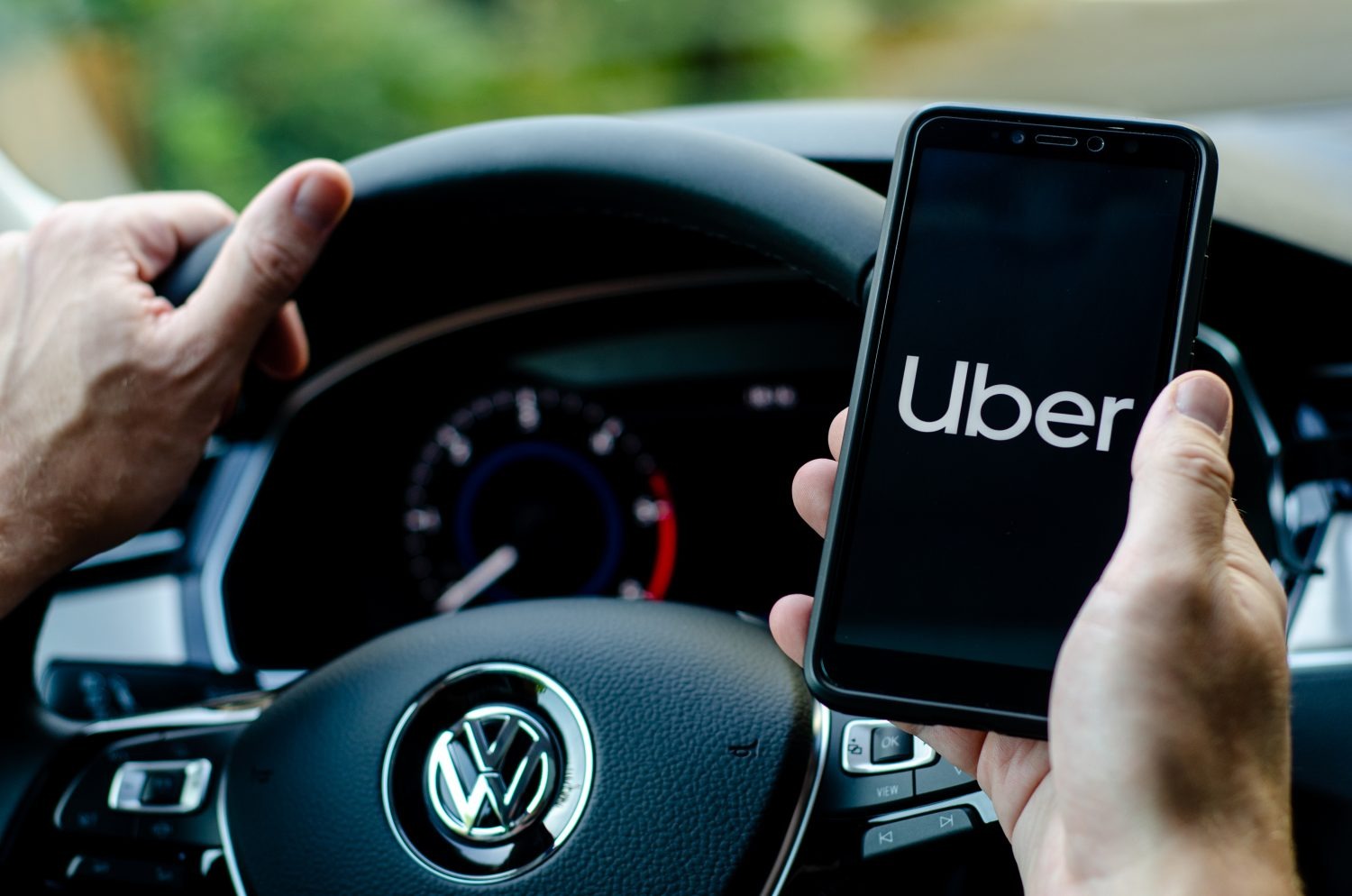
For years, Uber marketed itself as a safer, smarter alternative to driving. A quick ride home after a night out. A convenient option when you didn’t want to deal with traffic or parking. A way to avoid getting behind the wheel when you were tired or had been drinking.
But as we move further into 2025, many California riders are starting to ask tougher questions about Uber’s role in passenger safety and what actually happens when something goes wrong during a ride.
Recent changes involving driver unionization and insurance policy limits have shifted more risk onto passengers than many people realize. At the same time, Uber continues to distance itself from responsibility by relying on legal classifications that limit accountability after accidents or assaults.
This article breaks down what these changes really mean for passengers in California, how they affect injury claims, and why relying on Uber’s insurance coverage alone can leave victims dangerously exposed.
Uber drivers are unionizing, but what does that actually change?
Uber’s move toward allowing drivers to unionize has been widely discussed, and in some cases misunderstood. Many riders assume that unionization automatically means safer rides, better oversight, and more accountability. The reality is far more complicated.
Unionization primarily affects drivers’ labor rights, not passenger protections. It can influence wages, working conditions, and dispute processes between drivers and the company, but it does not change Uber’s core legal structure.
Uber drivers are still classified as independent contractors, not employees. That distinction is critical. It allows Uber to continue arguing that it is a technology platform rather than a transportation company. As a result, Uber often avoids direct responsibility when passengers are injured.
From a passenger safety standpoint, unionization does not guarantee better screening, stricter supervision, or faster responses to serious incidents. It does not expand insurance coverage for riders. And it does not automatically make Uber legally responsible for a driver’s actions.
In other words, while unionization may benefit drivers in certain ways, it does not meaningfully reduce risk for passengers.
The bigger concern: Uber’s insurance limits are staying at the bare minimum
One of the most important and least understood changes affecting riders is Uber’s decision to align its policy limits with California’s state minimums of $30,000 per injured person and $60,000 per accident.
On paper, those numbers may sound substantial. In reality, they are dangerously low.
A single emergency room visit, imaging scans, and a short hospital stay can easily exceed $30,000. Add surgery, follow-up care, physical therapy, or time off work, and those limits disappear quickly.
Now consider a scenario involving multiple injured passengers. That $60,000 accident cap must be divided among everyone hurt. In real-world accidents, that amount often fails to cover even basic medical expenses, leaving victims scrambling to pay bills out of pocket.
These limits match the minimum insurance required by California law, but they fall far short of what most serious injury cases actually cost.
Why minimum policy limits matter more than riders realize
Insurance limits are not just numbers on a policy. They directly determine how much compensation is available after an accident.
When limits are low, insurance companies prioritize protecting their bottom line. Claims get delayed. Offers get reduced. Victims are pressured to settle quickly for less than their case is worth.
For Uber passengers, this means:
- Serious injuries may not be fully covered
- Multiple victims compete for limited funds
- Long-term care and future treatment go uncompensated
- Financial stress compounds physical recovery
Many riders assume Uber’s billion-dollar brand means billion-dollar protection. Unfortunately, that is not how the system works.
Uber’s tiered insurance system still creates gaps
Uber’s insurance coverage depends entirely on what the driver was doing at the exact moment of the incident.
If the driver was not logged into the app, Uber provides no coverage at all. Only the driver’s personal insurance applies.
If the driver was logged in but had not accepted a ride, coverage is limited.
Only when a ride is accepted or a passenger is in the vehicle does Uber’s higher coverage apply, and even then, policy limits can still restrict recovery.
These distinctions matter enormously after an accident. Disputes over driver status are common, and delays in determining coverage can slow down medical treatment and financial recovery.
What happens when passengers are seriously injured
Uber accidents are not always minor. Many involve high-speed collisions, freeway on-ramps, intersections, or distracted driving. Passengers often have no control over what happens and no way to protect themselves.
Common injuries include:
- Traumatic brain injuries
- Spinal injuries
- Broken bones
- Internal injuries
- Soft tissue damage
- Long-term mobility issues
- Psychological trauma
When injuries are severe, minimum insurance limits simply do not match the reality of recovery.
Why passengers are carrying more risk in 2025
Taken together, these changes paint a concerning picture.
Drivers may be unionizing, but Uber’s legal distance from responsibility remains intact. Insurance limits are capped at minimum levels. Reporting and accountability systems remain opaque. Passengers are often left navigating a complex claims process while dealing with injuries and financial stress.
This has led many riders to reconsider how and when they use Uber, especially for late-night rides, long freeway trips, or situations involving alcohol.
Assaults and non-collision injuries still raise serious concerns
Not all Uber cases involve car crashes. Many involve assaults, harassment, or unsafe situations inside the vehicle.
When these incidents occur, victims often report feeling ignored or stonewalled after reporting them. Communication may become automated. Accounts may be restricted. Access to ride data can disappear if not preserved quickly.
These cases are emotionally devastating and legally complex. Insurance coverage may not apply the same way it does in traffic accidents, and Uber often resists providing internal records unless forced through legal action.
Why deleting the app feels like a rational choice for some riders
More passengers are choosing to limit their use of Uber or stop using the app altogether. This is not because Uber is inconvenient, but because trust has eroded.
Common reasons riders give include:
- Concerns about driver behavior
- Inconsistent vehicle conditions
- Poor response after reporting incidents
- Insurance coverage confusion
- Rising reports of assaults
- Feeling unprotected after accidents
While Uber remains widely used, these concerns are reshaping how people think about rideshare safety.
What passengers should do before getting into an Uber
While responsibility should never fall on the victim, awareness can reduce risk.
Passengers should:
- Verify the license plate, driver name, and vehicle
- Sit in the back seat
- Share trip details with someone they trust
- Avoid oversharing personal information
- Trust their instincts
- End the ride if something feels unsafe
These steps do not eliminate risk, but they can provide added awareness.
What to do if you are injured during an Uber ride
If an accident or incident occurs, taking the right steps early can protect both your health and your legal rights.
- Call 911 if there are injuries
- Seek medical care immediately
- Take photos of the scene and vehicle
- Screenshot ride details
- Collect witness information
- Do not give recorded statements without legal advice
Time matters. Evidence can disappear quickly, especially in rideshare cases.
Why handling an Uber claim alone is risky
Uber accidents involve multiple insurance policies, corporate legal teams, and strict deadlines. Insurance companies are trained to minimize payouts, not to ensure fairness.
Without legal guidance, victims may:
- Accept settlements that are far too low
- Miss critical deadlines
- Lose access to key evidence
- Be unfairly blamed
What seems like a simple claim can quickly become overwhelming.
How Estrada Law Group helps Uber passengers
At Estrada Law Group, we understand how confusing and frustrating Uber claims can be. Our team focuses on protecting passengers and holding responsible parties accountable.
We work to:
- Preserve digital ride data
- Identify applicable insurance coverage
- Investigate driver history
- Handle communication with Uber and insurers
- Build strong injury claims
- Fight for full and fair compensation
Every case is different, but every client deserves clarity, respect, and advocacy.
The bottom line
Uber’s policy changes in California reflect a broader shift of risk away from the company and onto passengers. Driver unionization does not automatically improve rider safety. Minimum insurance limits fail to reflect the real cost of serious injuries. And legal protections are often misunderstood.
Understanding these realities allows riders to make informed decisions and seek help when needed.
If you were injured while riding in an Uber, you do not have to navigate this process alone.
Call Esther The Lawyer at 323-609-5000.
We fight for victims. We fight for families. We fight for justice.
📞 CALL NOW FOR YOUR FREE CONSULTATION
(323) 515-1928 | EstradaLawGroup.com
Available 24 Hours a Day, 7 Days a Week
Your consultation is always FREE — No fee unless we win.
Estrada Law Group, APC
205 S. Broadway, Suite 808 | Los Angeles, CA
4270 Riverwalk Parkway, Suite 110 | Riverside, CA
Serving clients throughout California in English and Español
Follow Us & Stay Connected
📷 Instagram (Estrada Law Group): @estradalawgroup
📷 Instagram (Esther The Lawyer): @estherthelawyer
🎬 TikTok: @estherthelawyer
▶ YouTube: @EstradaLawGroup
Attorney advertising. Past results do not guarantee a similar outcome. The information provided in this article is for general informational purposes only and does not constitute legal advice. For advice specific to your situation, please contact our office directly.